

Q&A Corner with Gerry Ganser & Warren ‘Wozz’ Scarman of Rosefield Community Shed
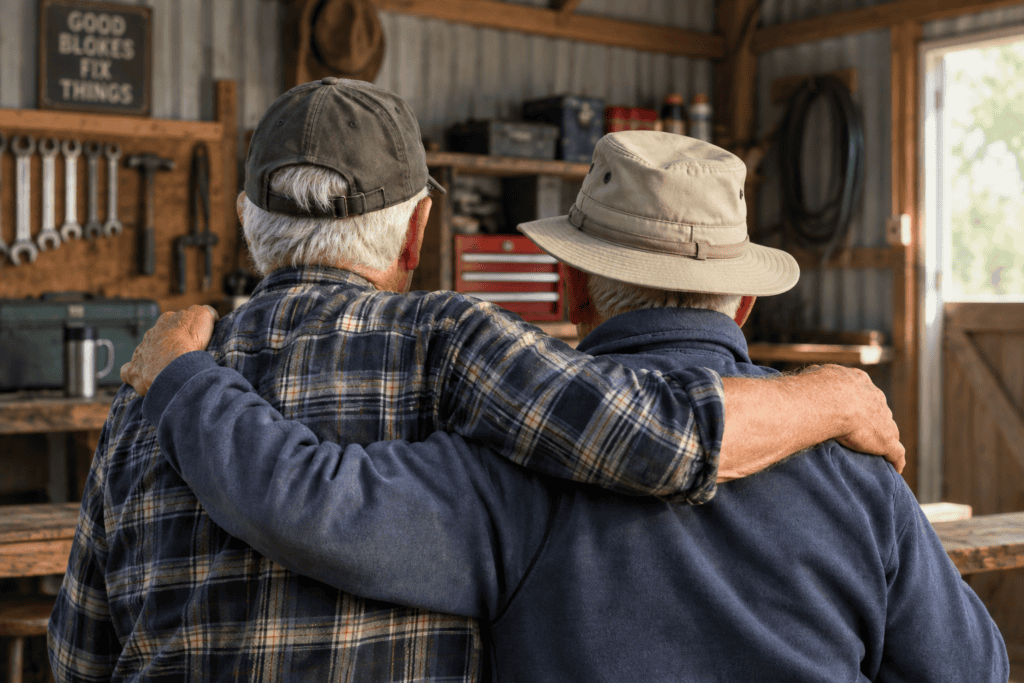
At Rosefield Community Shed in Adelaide, wellbeing isn’t a program that sits alongside everything else, it has become part of the culture.
With around 80 members, the Shed has created an environment where checking in on one another, noticing when someone hasn’t been around and taking time for a conversation are simply part of everyday life. President Gerry Ganser and Shed Chaplain Warren ‘Wozz’ Scarman have helped shape that culture over more than a decade, proving that sometimes the biggest impact comes from the smallest gestures.
We sat down with Gerry and Wozz to learn more about what wellbeing leadership looks like at Rosefield Community Shed and what advice they have for other Wellbeing Leaders around Australia.
Tell us a little about yourselves and what you do at Rosefield Community Shed.
Gerry: Wozz was appointed Shed Chaplain when the shed first opened back in 2013 through the church’s outreach program, and he’s been here ever since. His title might not officially say ‘Wellbeing Leader’, but that’s really what he does.
Wozz: I’m usually the first one in and the last one to leave. I greet everyone by name, walk around the shed and have conversations. If someone wants to talk, they know they can find me. Sometimes they just want a quick chat, other times they’ll come back later when things are a bit quieter.
When people hear the term ‘Wellbeing Leader’, what does that role actually involve in your shed?
Gerry: It’s funny because some members probably couldn’t tell you exactly what Wozz does – he’s just always there. For us, wellbeing isn’t about running formal programs every day. It’s about having someone who is approachable, who notices people and who creates space for conversations when they’re needed.
What are some of the things you do to support the wellbeing of shed members?
Wozz: Conversation is probably the biggest one. We have a couple of quiet spots away from the workshop where members know they can sit and have a private chat. If other Shedders see us sitting there, they know to give us some space.
Confidentiality is really important. People know they can come to me, vent, get something off their chest and trust that it stays between us. Sometimes I’ll also visit someone outside the shed if they’re doing it tough and they’re comfortable with that.
Gerry: We’ve also recently started using an interactive whiteboard during morning tea to show short videos on topics like prostate health, heart health and diabetes. We usually have around 30 members together for morning tea, so we thought it was a good opportunity to introduce some health information while everyone’s already in the room. The feedback has been really encouraging.
Have you noticed any positive changes in members as a result of wellbeing activities or conversations?
Wozz: You could say that wellbeing has been the purpose of the shed since day one. It’s part of everything we do. We don’t always notice the individual moments because it’s become part of our culture, but we see the positive results every day.
What have you found works best when it comes to engaging blokes in wellbeing discussions?
Wozz: Ask questions without putting pressure on people. Listen more than you talk. Trust takes time to build, so you have to know when to step in and when to simply be available.
Every member is different. There isn’t a one-size-fits-all approach. You learn to work with different personalities and meet people where they’re at.
Gerry: Wozz has training in this area, but I think a lot of it comes down to genuinely caring about people.
What challenges do you face in the wellbeing role?
Gerry: As the shed has grown, we’ve welcomed people from all sorts of backgrounds and with different needs. Around eight per cent of our members live with a disability, so we’ve learned that supporting wellbeing means understanding that everyone communicates differently.
Wozz: One of our biggest challenges now is succession planning. Gerry and I are both in our 80s, so we’re thinking about who carries this culture forward. We hope we’ve built something that younger members will want to continue.
Is there a particular wellbeing initiative that has been especially successful?
Gerry: One simple change has made a real difference. We realised some members had stopped coming because they were sick, and we didn’t know about it. Now we regularly check attendance and if someone hasn’t been around for a while, we pick up the phone and check in.
Morning tea also plays a big role. Every day I remind members that we’re all responsible for looking after each other. If someone needs a hand, tap them on the back. If someone taps you on the back, don’t be offended – they’re simply looking out for you.
Wozz: We also have something called Andrew’s Morning Joke. One of our inaugural members, Andrew, sadly passed away from bowel cancer in his 50s. Before he died, he left us a book containing around 3,000 jokes. Every morning we read one out. Sometimes they’re funny, sometimes they’re terrible – but we laugh anyway. It’s become a wonderful way to remember Andrew and start every day together.
What advice would you give someone who has recently become a Wellbeing Leader?
Wozz: Be a genuine listener. Take an interest in what people are saying and let them talk. Sometimes they don’t need advice – they just need someone to hear them.
God gave us one mouth and two ears. Use them in proportion.
If there was one thing you’d like every shed to focus on when it comes to member wellbeing, what would it be?
Gerry: Build a culture where everyone looks after everyone else. If every member knows someone has their back, you’ve created something really special. But it has to be genuine. People know the difference.
Is there anything else you’d like to share with Wellbeing Leaders around the country?
Wozz: If your management team genuinely enjoys being there and works well together, that attitude spreads through the whole shed. Culture starts at the top.
For Gerry and Wozz, wellbeing isn’t about having all the answers. It’s about creating a place where people feel welcome, trusted and supported by those around them.
As Wozz reminds us: “God gave us one mouth and two ears—use them in proportion.” Sometimes listening is the most important thing we can do.